Persistent pain after a fracture repair or spinal fusion does not automatically mean the bone has failed to heal, but it deserves a structured review. By the end, you will know which condition is being investigated, which scans and tests matter, when treatment becomes urgent, and what to ask before revision surgery.
Key takeaways
- Persistent pain and movement after fusion or fracture need a specialist review.
- Urgent assessment is needed for new weakness, numbness, bladder, or bowel problems.
- CT scans and serial X-rays help confirm whether bone has healed.
- Ask about the cause, graft plan, fixation, risks, and recovery before revision surgery.
Is this spinal pseudoarthrosis, a fracture non-union, or a malunion?
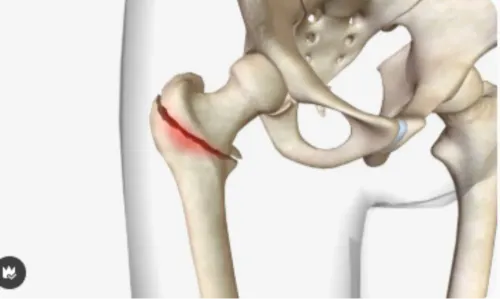
A spinal non-union, also called pseudoarthrosis, means a fusion has not formed a solid bone bridge. A fracture non-union means an arm, leg, pelvis, or other broken bone has failed to unite. Neither diagnosis means only “slow healing”: surgeons look for ongoing movement or pain at the site and serial X-rays without bridging bone.
A commonly used benchmark is about nine months without union and no visible healing progress for three months. Treatment can begin earlier when infection, instability, a painful gap, or implant failure threatens the repair. That is when a routine fracture-healing problem becomes a non union correction Bangalore case.
A search for spine surgery in bangalore non union correction usually concerns a fusion that remains mechanically painful or visibly incomplete.
Check which problem your records support:
- Fracture non-union: the broken bone has not joined, with persistent tenderness, movement, or absent bridging bone on follow-up X-rays.
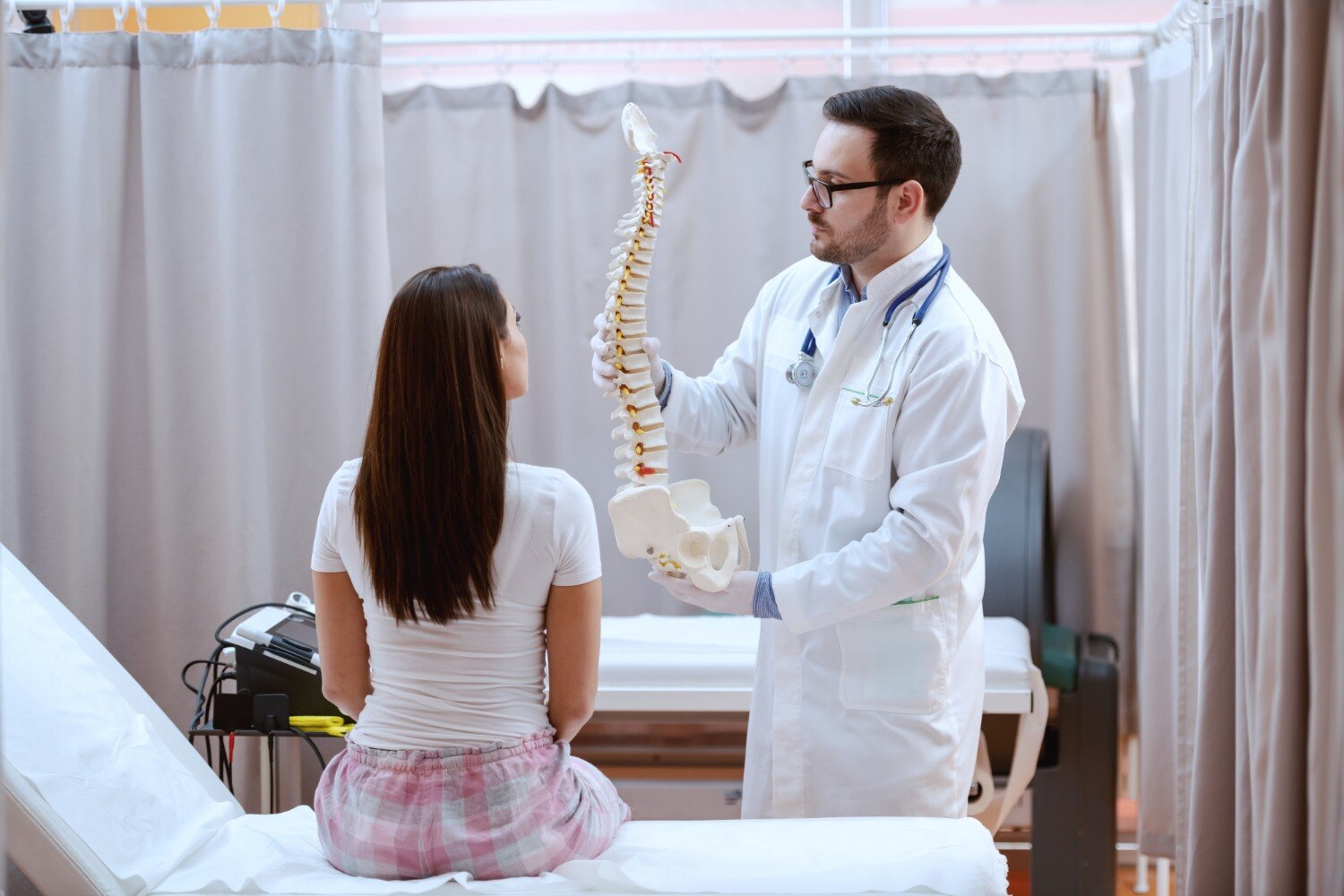
- Spinal pseudoarthrosis: the fusion mass has not bridged the intended vertebrae; persistent or recurrent mechanical back pain, pain with movement, or failed hardware can support the diagnosis, but some people have few symptoms.
- Malunion: the fracture has united, but in an unacceptable angle, rotation, or length. Malunion correction surgery may require an osteotomy, realignment, and fixation.
- Established deformity: graft alone cannot straighten a bone that has already healed incorrectly; the bone must first be cut and repositioned.
Thin-cut CT often clarifies a suspected spinal fusion non-union, while standing or bending X-rays assess alignment and motion.
Which symptoms require a review, and which require urgent assessment?
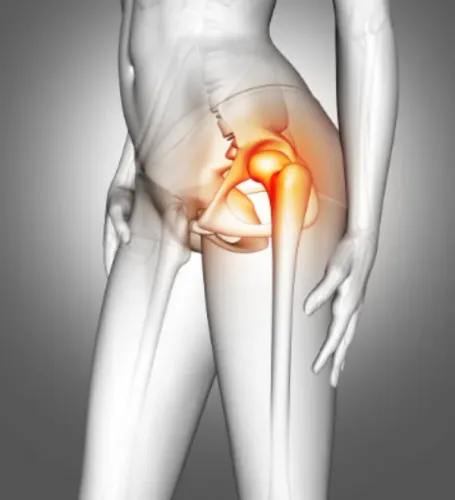
Persistent or recurrent mechanical back pain after fusion deserves review, especially when movement triggers it or previously improved walking, lifting, or daily function has declined. Broken or loosened hardware, new leg pain, numbness, or weakness raises concern for pseudoarthrosis or another complication.
After fracture repair, ongoing pain, abnormal movement, loss of function, or failure of the implant also warrants reassessment.
| Situation | Warning signs | Action |
|---|---|---|
| Routine review | Mechanical back pain that returns, pain with movement, reduced function, persistent fracture-site pain, or suspected hardware loosening | Arrange an orthopaedic review and bring earlier X-rays, operation records, and implant details |
| Urgent assessment | New or worsening limb weakness, saddle-area numbness, or loss of bladder or bowel control | Seek emergency medical care now; do not wait months for follow-up |
| Urgent assessment | Fever with a painful surgical site, wound drainage, or rapidly increasing pain | Contact the surgical team urgently or attend an emergency department |
Pain alone does not prove that a fusion has failed. Muscles, nerves, discs, adjacent joints, infection, and unrelated conditions can cause similar symptoms; some non-unions produce few symptoms and appear on follow-up imaging. Do not choose spine surgery in Bangalore from an online description, or treat one MRI finding or symptom as proof of non-union.
The diagnosis must match your examination, symptoms, and imaging.
How do doctors prove whether a fusion or fracture has healed?
Doctors prove healing by combining symptoms, examination, prior records, and serial imaging rather than relying on one abnormal scan. They review the original injury, every operation, implant details, smoking or nicotine exposure, recovery pattern, and earlier radiographs. Persistent mechanical pain or loss of function raises concern, but some patients have few symptoms.
The usual checklist includes:
- Standing X-rays to assess alignment, fracture position, and hardware.
- Flexion-extension or bending X-rays to look for abnormal movement across a fusion or fracture.
- Thin-cut CT when X-rays are unclear, especially to determine whether a continuous bridging bone mass has formed.
- MRI to investigate nerve compression, discs, infection, or other soft tissues; it is less useful for proving a solid fusion mass.
- Complete blood count, ESR, and CRP when infection or unexpectedly poor healing is possible.
A plain X-ray can suggest non-union, but CT usually provides stronger evidence of the bone bridge. A quiet infection can exist without drainage or redness, so tissue samples collected during revision may reveal more than surface wound findings. This matters before fracture healing surgery or spinal revision.
The final diagnosis must fit the examination and symptoms. An abnormal scan alone does not prove that a fusion has failed or that it causes the pain; muscles, nerves, discs, adjacent joints, and other conditions can produce similar findings.
What causes non-union, and what does correction involve?
Non-union correction begins by identifying why the bone has not joined, not by choosing a graft or implant in isolation. Cigarettes, vaping, nicotine gum, diabetes, poor nutrition, osteoporosis, infection, severe soft-tissue injury, inadequate stability, a gap between bone surfaces, multiple previous operations, selected medicines, and medical conditions that impair bone metabolism can all contribute.
Fracture healing surgery has two objectives: improve mechanics and improve biology. The combination depends on alignment, stability, bone loss, infection, and the soft-tissue envelope.
- Mechanical correction may remove or exchange failed hardware, compress the bone ends, add stronger fixation, restore alignment, or extend a fixation construct.
- Biological correction may remove scar tissue or dead bone, treat infection, and add graft to a prepared healing surface.
- Your own pelvic bone provides living bone-forming cells and growth factors, but harvesting it creates a second wound with risks of donor-site pain, numbness, bleeding, and infection.
- Allograft and synthetic substitutes avoid that harvest site, but they do not provide identical cellular biology. Match the substitute to the defect rather than assuming one material is best.
- Malunion correction surgery treats a bone that has already united in an unacceptable angle, rotation, or length. It may require an osteotomy and realignment; graft alone cannot straighten an established deformity.
Spinal pseudoarthrosis, or spinal non-union, may require loose-hardware removal, a revised fusion bed, graft, stronger or extended fixation, a different surgical approach, or nerve decompression. That is a spine revision plan, not routine fracture healing, and the details determine the appropriate non union correction Bangalore pathway.
What should you ask before choosing revision surgery in Bangalore?
Before choosing revision surgery, ask the surgeon to name the problem precisely and show the evidence. A fracture non-union, malunion, infection, and spinal pseudoarthrosis require different decisions; spine surgery in Bangalore is not justified simply because it is available.
| Diagnosis | Evidence to request | Alternative to discuss |
|---|---|---|
| Fracture non-union | Serial X-rays, thin-cut CT, examination, and blood tests if infection is possible | Observation, rehabilitation, or revision fixation |
| Malunion | X-rays or CT showing unacceptable angle, rotation, or length | Osteotomy and realignment, not graft alone |
| Infection | CBC, ESR, CRP, and tissue cultures taken during surgery | Antibiotics, debridement, or staged treatment |
| Spinal pseudoarthrosis | Standing or bending X-rays and CT; MRI for nerves, discs, or infection | Observation, rehabilitation, or hardware removal when appropriate |
Ask these questions before consenting:
- What fixation method will restore stability, and what graft will be used?
- How will diabetes, bone quality, nutrition, and cigarettes, vaping, nicotine gum, or other nicotine use be managed?
- If infection is possible, will several tissue samples be sent for culture?
- What restrictions will apply to weight-bearing, lifting, driving, work, and sport?
Expect recovery to take months, with follow-up X-rays or CT documenting union. Discuss persistent non-union, deformity, infection, bleeding, clots, hardware failure, and further surgery; spine revision also carries risks of dural tear, nerve injury, weakness, numbness, and graft-site pain.
Dr Akshay Dhanda is one specialist in Jayanagar, Bengaluru who can address these questions, but clinical evidence should determine the operation.
Related service
Non-Union & Malunion Correction Non-Union & Malunion Correction Advanced Non-Union & Malunion Correction with Dr. Akshay Dhanda A fracture is expected to heal properly over time, but in some cases, the bone may... View service → |
Frequently asked questions
How is spinal pseudoarthrosis different from fracture non-union and malunion?
Spinal pseudoarthrosis means a planned fusion has not formed a solid bone bridge. Fracture non-union means a broken bone has failed to unite. A malunion is a fracture that healed in an incorrect position.
Which symptoms require urgent assessment?
Seek urgent assessment for new or worsening limb weakness, loss of sensation, difficulty walking, or bladder and bowel changes. Persistent pain, tenderness, deformity, or reduced function warrants a specialist review.
How do doctors confirm whether a fusion or fracture has healed?
Doctors compare serial X-rays for bridging bone and alignment, then use CT when healing remains uncertain or revision surgery is being considered. They also assess pain, movement, tenderness, and function.
What causes non-union, and what can correction involve?
Causes include inadequate stability, poor blood supply, infection, smoking, certain medicines, medical conditions, and insufficient bone formation. Correction can involve removing damaged tissue, improving fixation, adding bone graft, treating infection, and correcting alignment.
What should you ask before choosing revision surgery in Bangalore?
Ask what diagnosis the scans support, why healing failed, which procedure is proposed, whether bone graft is needed, how risks will be managed, the expected recovery, and what alternatives exist.
Keywords