A painful or unstable joint does not automatically point to either surgery or joint replacement. You will learn how doctors assess whether the meniscus, cartilage, ligaments and native joint can be preserved, which procedures match specific injuries, and how to judge a surgeon’s plan against your activity goals.
Key takeaways
- Preservation treats damaged tissue while retaining healthy bone, cartilage and joint surfaces.
- Choose rehabilitation first when symptoms improve without structural repair.
- Compare surgeons by diagnosis, procedure volume, rehabilitation plan and preservation trade-offs.
- Seek assessment promptly for locking, instability, deformity or persistent pain after injury.
What joint preservation means—and when it is realistic
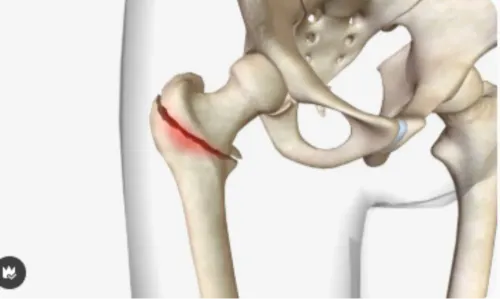
Preserving a natural joint means treating the damaged structure while retaining as much healthy bone, cartilage, meniscus, ligament, labrum and joint surface as possible. It differs from reconstruction, which replaces or rebuilds a damaged structure, and from replacement, which substitutes the joint surfaces. The goal is useful function, not a guarantee of permanent sport participation.
The realistic option depends on the diagnosis, joint damage and mechanical environment:
| Condition | Preservation may be realistic when | Replacement or reconstruction becomes more relevant when |
|---|---|---|
| ACL tear | One injury, stable daily function and a structured rehabilitation trial are appropriate; reconstruction is considered for recurrent giving-way or pivoting-sport demands | Instability persists, the knee cannot meet required activities, or meniscal damage accompanies the tear |
| Meniscus tear | The pattern is repairable, tissue quality is adequate and preserving load distribution is possible | The tear is irreparable; removing tissue may relieve symptoms but increases later degenerative stress |
| Cartilage defect | The defect is focal, with good alignment, stable ligaments and functioning meniscus | Cartilage loss is widespread across compartments or osteoarthritis is advanced |
| Early arthritis or malalignment | Activity changes, rehabilitation, cartilage treatment or an osteotomy can address a local mechanical problem | Severe bone loss, inflammatory arthritis or multi-compartment joint-space loss is present |
People searching joint preservation specialist Bangalore should ask which structure is being preserved and why. Joint preservation in Bangalore sports medicine surgery is a treatment goal, not proof that native-joint surgery is superior. Untreated malalignment, instability, meniscal deficiency, infection or excessive postoperative loading can cause failure.
Even suitable procedures may require months of protected weight-bearing, revision surgery and eventual replacement. Weight-bearing radiographs and a physical examination help establish whether preservation is realistic; MRI adds detail about ligaments, menisci and cartilage.
How doctors choose between rehabilitation, preservation surgery and replacement
Doctors usually begin with the least invasive option that matches the damage: activity modification, structured rehabilitation and, when appropriate, an injection for pain control. An injection can reduce symptoms; it cannot restore a torn ligament or reverse worn cartilage.
| Option | What it means | When it applies |
|---|---|---|
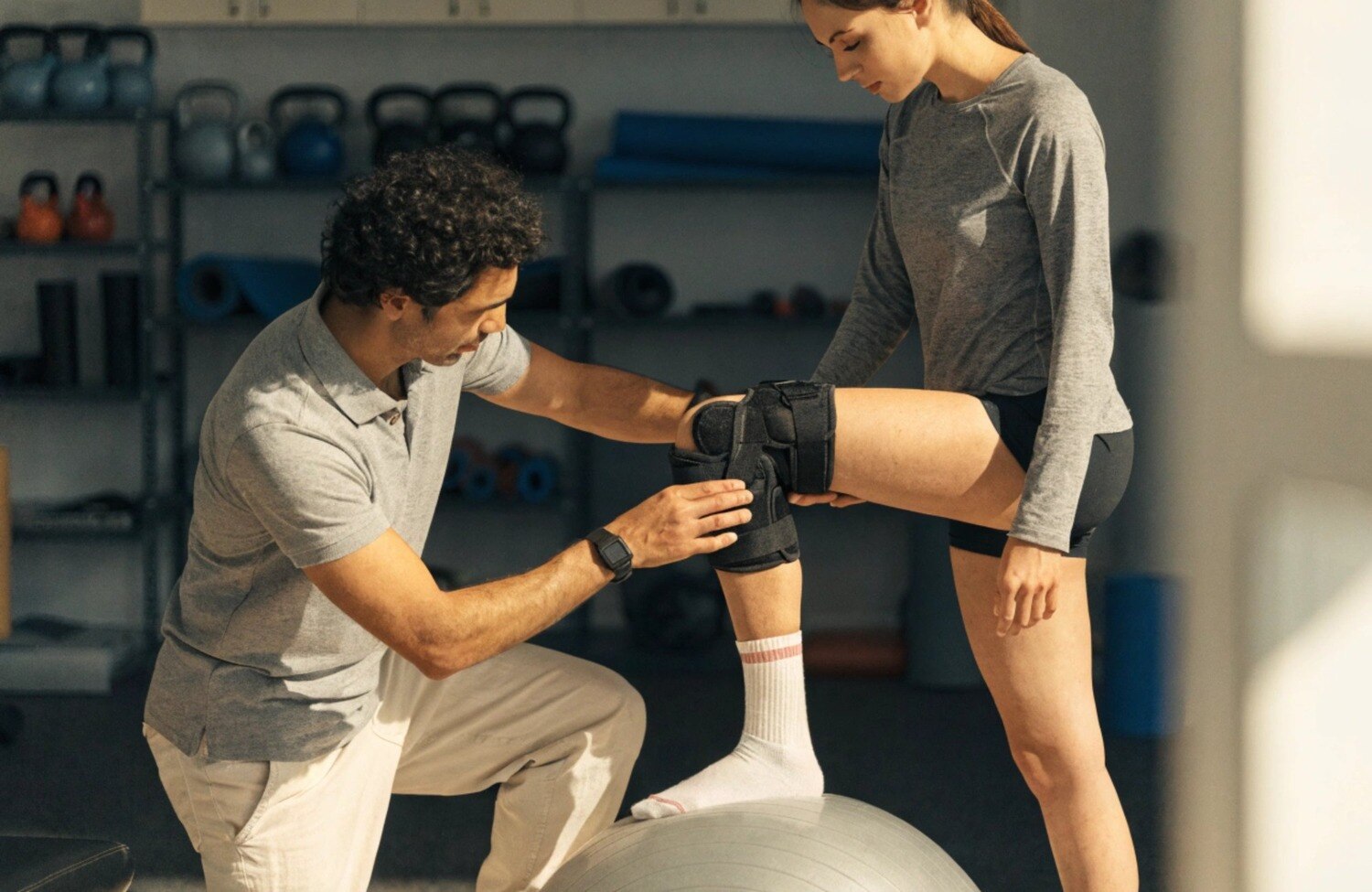
| Rehabilitation and activity change | Build strength, movement and load tolerance without surgery | Stable injuries, selected ACL tears, early symptoms or pain that improves with treatment |
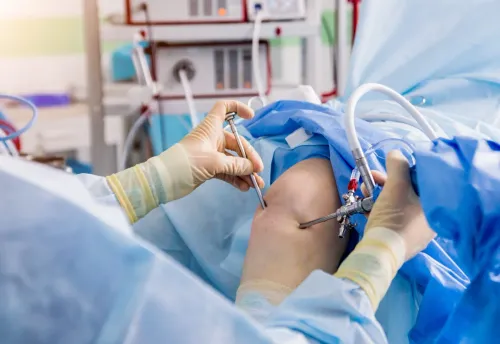
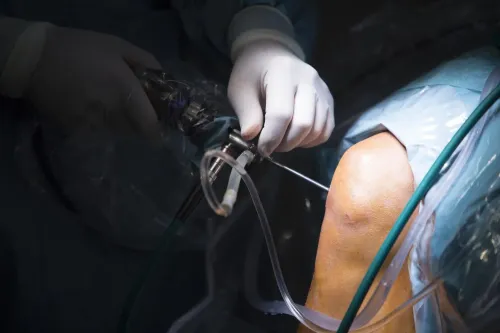
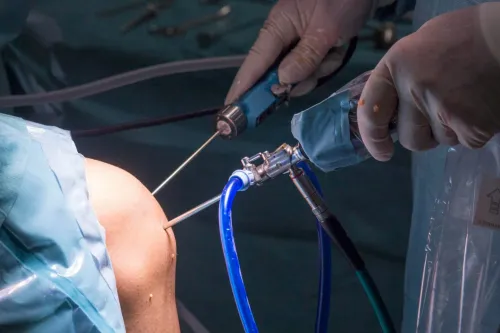
| Arthroscopy or reconstruction | Repair the meniscus or treat a joint problem through small portals; reconstruct a ligament when stability cannot be restored | Repairable meniscus tears, loose tissue, recurrent instability or an ACL knee that cannot meet activity demands |
| Cartilage restoration or osteotomy | Treat a focal cartilage defect, or realign a loaded joint compartment | Focal defects with good alignment, stability and meniscal function; early arthritis caused by correctable malalignment |
| Joint replacement | Replace damaged joint surfaces with implants | Advanced multi-compartment arthritis, severe bone loss, failed preservation or a joint that cannot be stabilised |
A sports medicine surgery Bangalore evaluation should match the procedure to examination findings and weight-bearing radiographs, using MRI when ligament, meniscus, cartilage or occult bone injury could change the plan. Preserving a repairable meniscus usually matters more than removing it for quicker relief.
Ask what structure the operation is preserving and how long protected weight-bearing will last. Replacement becomes more reasonable when infection, inflammatory arthritis, severe bone loss or diffuse osteoarthritis makes preservation unlikely to deliver reliable function.
What happens during a sports medicine assessment in Bangalore
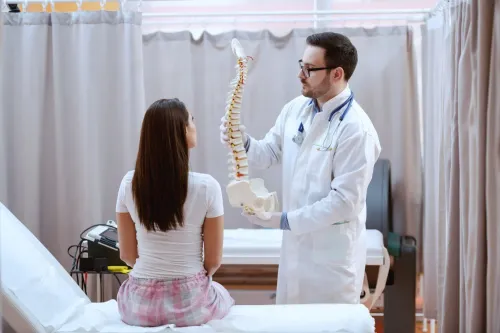
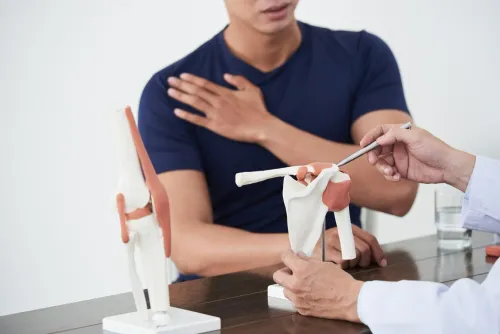
An assessment starts with what you need the joint to do, not with an MRI report. A sports medicine surgery Bangalore evaluation records the injury mechanism, pain location, swelling, locking, giving-way episodes, previous treatment, training demands and medical conditions. Recurrent instability during pivoting sport points to a different decision than pain from gradual osteoarthritis.
The examination identifies the failing structure. The clinician checks tenderness, range of motion, effusion, strength, ligament stability, joint-line signs, patellar tracking, limb alignment and gait. Squats, hops, single-leg balance and sport-specific movement expose weakness or instability that a scan cannot measure.
| Assessment finding | What it clarifies | Possible treatment implication |
|---|---|---|
| Focal joint-line pain and locking | Meniscus injury and repairability | Meniscus repair or selective arthroscopy |
| Positive laxity tests with instability | Ligament failure and functional need | Rehabilitation or reconstruction |
| Varus or valgus alignment with one-sided wear | Load concentration | Osteotomy or joint-preserving treatment |
| Widespread joint-space loss | Diffuse osteoarthritis | Preservation is less suitable |
Weight-bearing X-rays show joint-space loss, bone shape and alignment. MRI adds detail about ligaments, menisci, cartilage and hidden bone injury when that information could change treatment. Joint preservation in Bangalore sports medicine surgery means matching the procedure to the structure: a focal cartilage defect with stable alignment differs completely from diffuse arthritis.
Surgery becomes reasonable when symptoms, examination and imaging agree, and rehabilitation cannot restore reliable function.
What sports injury surgery involves for common injuries
The operation is only the midpoint; the rehabilitation plan determines whether you regain reliable strength, movement and sport-specific control. A sports injury surgery Bangalore evaluation should match the procedure to the damaged structure, not to the MRI alone.
- ACL reconstruction replaces the torn ligament with a graft when instability, pivoting-sport demands, recurrent giving-way or associated meniscal damage justifies it. Selected adults can first try structured rehabilitation. Recovery involves restoring full extension early, rebuilding quadriceps strength and delaying running until single-leg control is adequate.
- Meniscus repair preserves shock absorption but requires patience. Protected weight-bearing or restricted knee bending may be needed, and deep squats or twisting too soon can disrupt the repair.
- Cartilage procedures suit selected focal defects with sound alignment, stable ligaments and functioning menisci. They do not reverse diffuse osteoarthritis; protected weight-bearing and months of progressive rehabilitation are common.
- Shoulder stabilisation tightens or repairs structures after recurrent dislocation. Expect a period in a sling, followed by motion work, rotator-cuff and shoulder-blade strengthening, then gradual overhead and contact activity.
- Rotator cuff repair needs tendon healing before heavy loading. Early therapy protects the repair while restoring movement; strength and overhead endurance return later, often over several months.
- Ankle ligament surgery addresses persistent instability after appropriate rehabilitation fails. Balance training, calf strength, running drills and cutting control are essential before returning to sport.
Pain relief is not the finish line. Persistent stiffness, weak hips or trunk control, and a rapid return to running can prolong symptoms or increase reinjury risk.
How to compare surgeons and decide whether preservation is worth the trade-off
Do not choose preservation because keeping your own joint sounds automatically better. Compare the expected function, rehabilitation burden, failure risk and likelihood of later replacement for your diagnosis. A joint preservation specialist Bangalore search should identify what is being preserved—meniscus, cartilage, ligament, labrum or the whole joint—not merely promise “joint-saving” surgery.
| Option | Likely advantage | Main trade-off | Ask the surgeon |
|---|---|---|---|
| Native-joint preservation | Retains living bone and joint structures; may suit focal damage or instability | Months of protected loading, rehabilitation, failure or revision risk | What happens if repair fails, and how often do patients later need replacement? |
| Joint replacement | Predictable pain relief for advanced, multi-compartment damage | Implant wear, activity restrictions and possible revision over time | Why is replacement safer or more useful than preservation in my scans and examination? |
Before choosing a surgeon, request:
- Procedure-specific results, including repair failure, reoperation, infection, stiffness and return-to-activity data, with follow-up duration.
- The rehabilitation plan: weight-bearing limits, brace use, physiotherapy frequency, work restrictions and criteria for running or pivoting sports.
- Evidence that alignment, stability and meniscal function will be corrected; cartilage surgery can fail when these remain abnormal.
Plain weight-bearing radiographs help reveal joint-space loss and alignment; MRI clarifies soft-tissue damage when it changes treatment. Dr Akshay Dhanda should explain both findings, alternatives and the exit plan if preservation does not restore reliable function. A sports injury surgery Bangalore search is useful only when the consultation includes that comparison.
Related services
Sports Medicine Surgery Dr. Akshay Danda **Sports Medicine Surgery** focuses on the diagnosis and surgical treatment of injuries affecting athletes and physically active... View service → |
Non-Surgical Sports Injury Care Non-Surgical Sports Injury Care Dr. Akshay Danda **Non-Surgical Sports Injury Care** focuses on managing sports-related injuries through appropriate conservative treatment,... View service → |
Frequently asked questions
What does joint preservation mean?
Joint preservation treats damaged structures while retaining as much healthy bone, cartilage, meniscus, ligament, labrum and joint surface as possible.
How do doctors choose between rehabilitation, preservation surgery and joint replacement?
They consider the damaged structure, cartilage and bone condition, symptoms, activity goals, age, stability and the likely benefit of each option.
What happens during a sports medicine assessment in Bangalore?
The assessment includes your injury history, activity demands, physical examination and imaging review before a treatment plan is recommended.
What does sports injury surgery involve?
Treatment depends on the injury and can include repairing or reconstructing damaged ligaments, cartilage, meniscus, labrum or other joint structures, followed by rehabilitation.
How should you compare sports injury surgeons?
Ask about the diagnosis, suitable alternatives, procedure experience, expected rehabilitation, return-to-sport criteria, risks and the trade-offs of preserving versus replacing the joint.
Related services
Meniscus Repair & Preservation Meniscus Repair & Preservation # Meniscus Repair & Preservation The meniscus is a crescent-shaped piece of cartilage inside the knee that helps absorb shock, distribute load,... View service → |
Injury Prevention Programs Dr. Akshay Danda Injury Prevention Programs** are designed to help athletes, active individuals, and fitness enthusiasts reduce the risk of... View service → |
ACL Reconstruction Surgery Advanced ACL Reconstruction Surgery with Dr. Akshay Dhanda An **ACL (Anterior Cruciate Ligament) injury** can significantly affect knee stability,... View service → |
Personalized Rehab Protocols Dr. Akshay Danda Personalized Rehab Protocols** provide structured, condition-specific rehabilitation plans designed to help patients progress safely... View service → |
Keywords