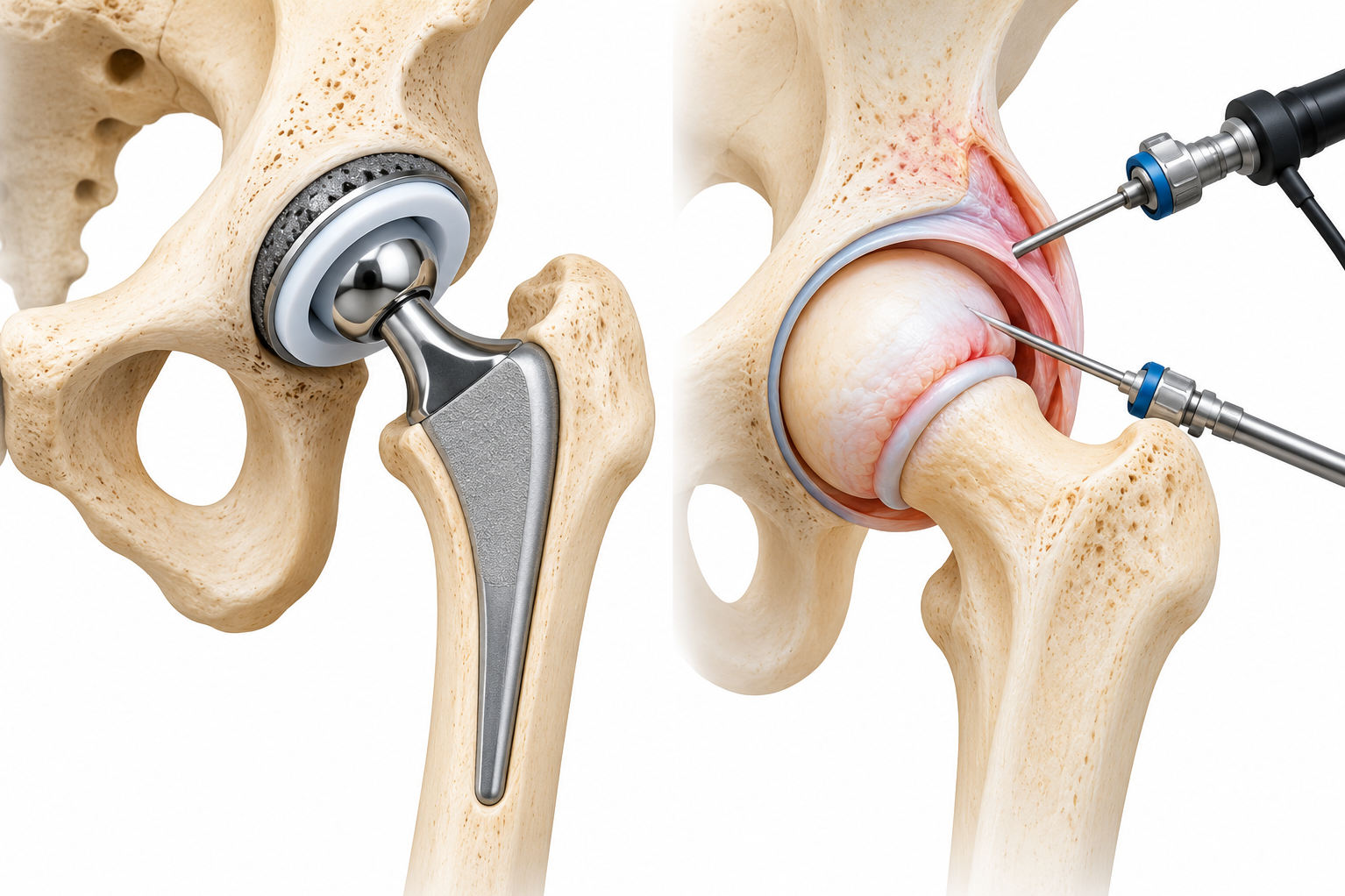
Hip pain does not always lead to hip replacement. The appropriate treatment depends on what is damaging the joint, how advanced that damage is, the patient’s age, activity level, bone condition, and whether enough healthy joint structure remains to preserve. This makes the choice between Hip Replacement or Joint-Preserving Treatment in Bangalore an important individualized decision.
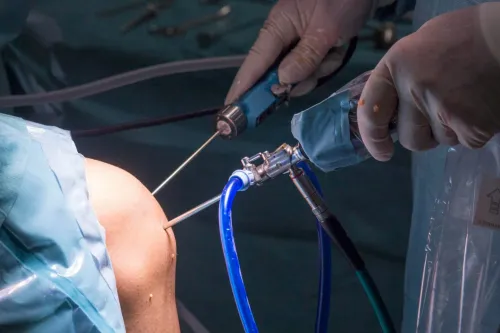
Joint-preserving treatment aims to maintain the patient’s natural hip for as long as reasonably possible. It may be considered in selected conditions where damage has not progressed to extensive destruction of the joint surface.
Hip replacement, by comparison, is generally considered when joint damage is advanced and pain or stiffness substantially affects everyday function.
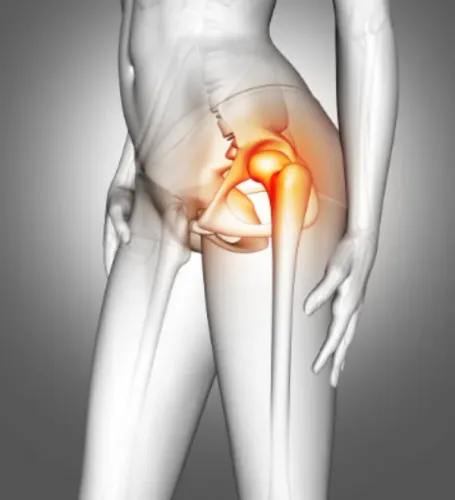
Symptoms that deserve evaluation include groin or hip pain during walking, reduced hip movement, difficulty putting on footwear, limping, pain while getting up from a chair, and progressive difficulty performing routine activities.
The decision between preservation and replacement often depends on several factors.
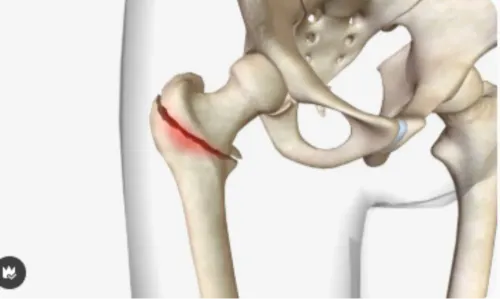
Stage of joint damage: Earlier structural problems may provide more opportunities for preservation. Advanced arthritis with major cartilage loss may make replacement more appropriate.
Age and activity: Younger or highly active patients may benefit from exploring preservation where medically suitable, although age alone never determines treatment.
Underlying diagnosis: Arthritis, avascular necrosis, trauma, deformity, and other hip conditions behave differently and therefore require different treatment strategies.
Response to conservative care: Medication, physiotherapy, activity modification, and other measures may continue to provide adequate symptom control for some patients.
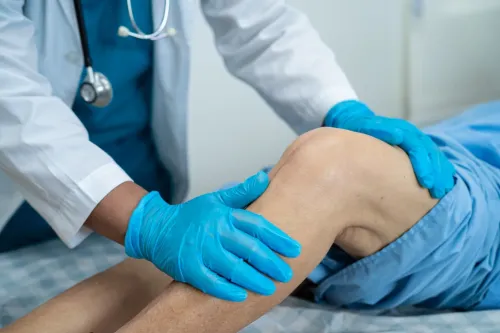
Imaging plays an important role, but treatment should not be selected from an X-ray or MRI alone. Symptoms, examination findings, disease progression, and functional limitations must also be considered.
For patients in Bengaluru, Karnataka, another practical issue is rehabilitation. Both joint-preserving surgery and hip replacement can require structured recovery, although timelines and restrictions vary considerably depending on the procedure.
Dr Akshay Dhanda assesses hip conditions with attention to preserving the natural joint where suitable while considering replacement when damage has become advanced. This approach helps ensure that the procedure matches the stage of disease rather than applying the same solution to every patient with hip pain.
Patients discussing treatment should ask what part of the hip is damaged, whether the damage is reversible or progressive, what preservation options remain, and what could happen if surgery is delayed.
The most appropriate hip treatment is ultimately the one that addresses the underlying condition while balancing pain relief, mobility, joint longevity, and the patient’s future activity requirements.
Keywords