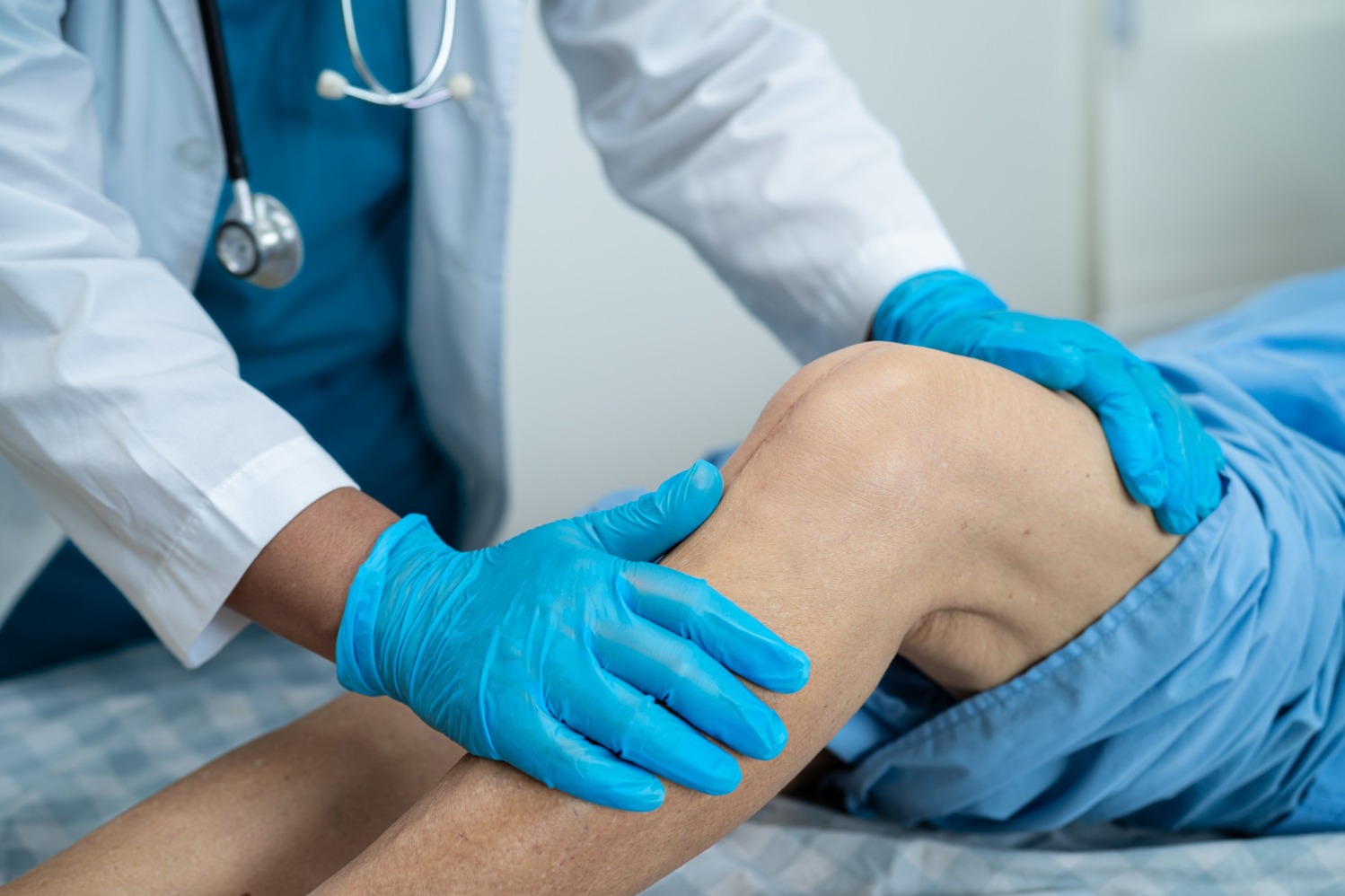
Knee pain from arthritis often develops gradually. At first, discomfort may appear after a long walk or while climbing stairs. Over time, pain can occur during ordinary daily activities, and some people may begin avoiding movement because the knee feels stiff or unreliable. Knee Replacement in Bangalore is generally considered when advanced joint damage causes substantial pain and functional limitation despite appropriate non-surgical treatment.
Knee replacement is not usually recommended simply because an X-ray shows arthritis. The decision is based on how symptoms, examination findings, imaging, mobility, and quality of life fit together.
Before surgery is considered, treatment may include physiotherapy, strengthening, activity modification, appropriate pain management, weight management where relevant, and selected injections. These measures can be useful for many patients, particularly during earlier stages of arthritis.
Signs that may lead to a knee replacement evaluation include:
- Persistent pain during walking
- Difficulty climbing or descending stairs
- Pain affecting sleep or rest
- Increasing stiffness
- Reduced walking distance
- Significant deformity
- Difficulty performing routine household or work activities
- Limited improvement from appropriate conservative treatment
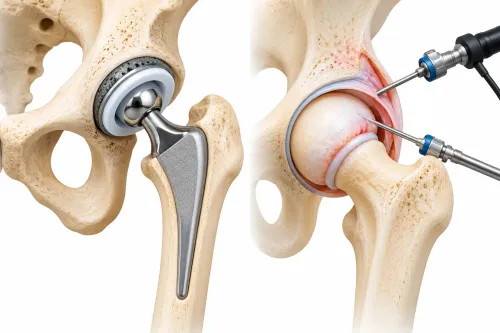
During knee replacement, damaged joint surfaces are replaced with prosthetic components. The objective is to address pain from severely damaged surfaces and improve functional movement. The procedure does not create a natural knee again, so realistic expectations are important.
Recovery also depends heavily on rehabilitation. Patients are generally encouraged to begin movement according to their surgeon’s rehabilitation protocol. Physiotherapy focuses on restoring knee movement, improving muscle strength, and gradually increasing walking ability.
For patients in Bengaluru and other parts of Karnataka, practical planning before surgery can make the recovery period easier. Home arrangements, assistance during the early recovery phase, transportation, and physiotherapy access should be considered in advance.
Age alone does not determine whether knee replacement is appropriate. A surgeon considers arthritis severity, general health, bone quality, symptoms, activity requirements, and how strongly the knee problem is affecting daily life.
Dr Akshay Dhanda evaluates patients with knee arthritis to determine whether continued joint-preserving care or replacement surgery is more appropriate for their condition. Patients should understand why a procedure is being recommended, what alternatives remain, and what rehabilitation will involve.
The right time for knee replacement is therefore different for each patient. The decision becomes more meaningful when it is based on persistent functional problems and advanced joint disease rather than simply the presence of knee pain.
Keywords