
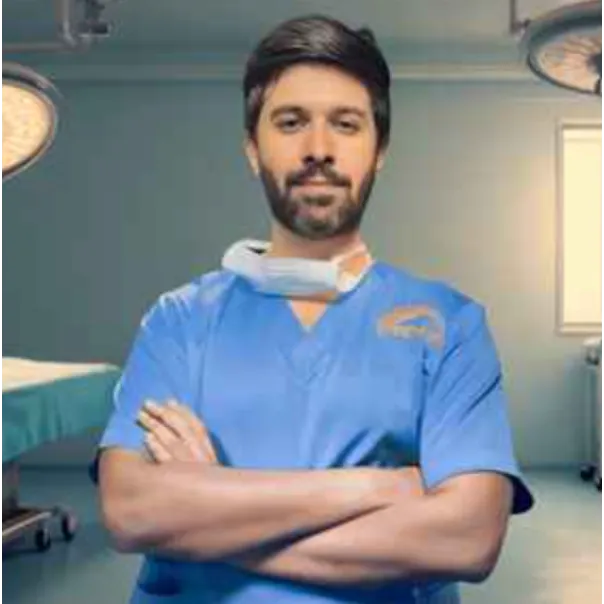
Orthopedic problems can affect much more than movement. Persistent knee pain can make stairs difficult, a shoulder injury can interfere with work and sleep, while hip or spine problems may gradually reduce a person’s independence. Orthopedic Surgery in Bangalore covers a broad range of procedures used to manage bone, joint, ligament, tendon, and musculoskeletal conditions when appropriate non-surgical care is not providing sufficient improvement.
Surgery is not automatically the first step for every orthopedic condition. A careful assessment usually begins with understanding where the pain started, how long it has been present, whether an injury occurred, and how much the problem affects daily activities. Physical examination and investigations such as X-rays, MRI scans, or CT scans may then be considered depending on the condition.
For many patients, initial treatment may include medication, physiotherapy, activity modification, strengthening, weight management, or targeted injections. Surgery becomes a consideration when structural damage is significant, symptoms remain limiting, or delaying treatment could affect function.
Orthopedic procedures may be used for conditions such as:
- Advanced knee or hip arthritis
- Complex or unstable fractures
- ACL and meniscus injuries
- Recurrent shoulder instability
- Certain spine conditions
- Joint deformity
- Severe cartilage damage
- Sports-related ligament injuries
Modern orthopedic care also places greater emphasis on preserving healthy tissue whenever possible. Instead of automatically replacing a joint, surgeons may consider joint-preserving procedures for suitable younger or active patients. Arthroscopic techniques can also allow selected ligament, cartilage, and shoulder conditions to be treated through smaller incisions.
Recovery depends on the type of procedure rather than surgery alone. Pain control, early movement when appropriate, physiotherapy, muscle strengthening, wound care, and gradual return to activity all contribute to rehabilitation.
Patients in Bengaluru, Karnataka, considering orthopedic surgery should understand the diagnosis and available alternatives before making a decision. Useful questions include whether surgery is necessary now, what non-surgical options remain, what the procedure is intended to achieve, and how long rehabilitation may take.
Dr Akshay Dhanda evaluates orthopedic conditions across areas including joint replacement, arthroscopy, sports medicine, trauma, and bone and joint care. A treatment decision is most useful when it is based on the individual patient’s symptoms, imaging findings, functional needs, age, activity expectations, and overall health.
The goal of orthopedic treatment is not simply to perform a procedure. It is to choose an appropriate pathway that can reduce pain, restore useful movement, and help the patient return to everyday activities as safely as possible.
Keywords


