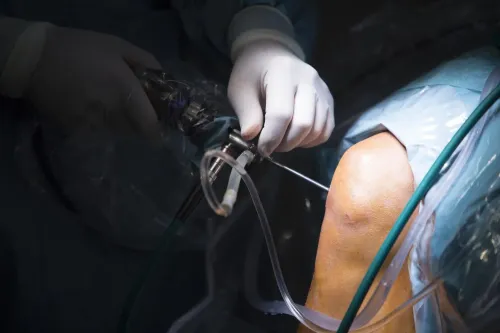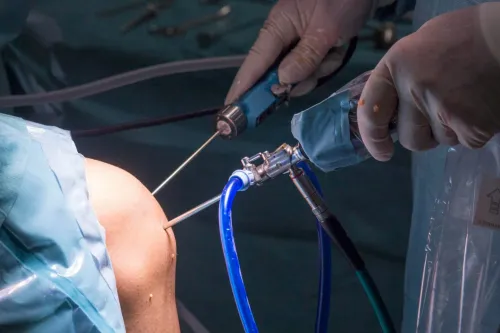
Preserving a shoulder means retaining your own humeral head and glenoid instead of moving directly to a shoulder replacement, but the right treatment depends on why the joint is unstable and how much damage has occurred. By the end, you will know how imaging, bone loss, activity demands, rehabilitation history, and procedure-specific risks shape shoulder stabilization decisions in Bengaluru.
Key takeaways
- Preserve your own shoulder joint by treating instability before bone and cartilage loss progresses.
- Match the stabilization procedure to labral tears, bone loss, activity, and dislocation history.
- Use X-rays, MRI, and CT scans to assess whether joint preservation remains realistic.
- Plan for weeks of protection and structured rehabilitation after shoulder stabilization surgery.
What does joint preservation mean when the shoulder keeps slipping out?
Joint preservation in Bangalore means keeping your own humeral head and glenoid rather than moving directly to shoulder replacement. In joint preservation in Bangalore shoulder stabilization, the goal is to restore reliable stability before repeated dislocations damage cartilage or remove more bone.
A painful shoulder does not automatically need stabilization surgery. Apprehension when the arm moves into a vulnerable position, pain, weakness, stiffness, partial slipping (subluxation), and true instability are different findings that require different treatment.
The cause changes the plan:
- A first traumatic anterior dislocation may tear the anterior-inferior labrum and capsule, creating a Bankart lesion.
- Recurrent anterior dislocation can enlarge labral damage and cause glenoid bone loss or a Hill-Sachs lesion in the humeral head.
- Posterior instability may follow a different injury pattern and needs a different assessment.
- Multidirectional instability often reflects ligament or capsular laxity rather than one repairable tear.
- A Bankart or other labral injury, cartilage damage, glenoid deficiency, or capsular laxity can determine whether rehabilitation or stabilization is suitable.
Repeated self-reducing episodes are not harmless. Each event can increase bone loss and narrow the reliable preservation options.
Preserving the native joint does not guarantee a pain-free, stable, or arthritis-free shoulder. Recurrent instability, stiffness, hardware problems, further cartilage damage, later arthritis, and revision surgery remain possible trade-offs.
Which shoulder stabilization treatment fits the damage and your activity?
After a first dislocation, the right choice depends on the damaged structure, recurrence risk, and what your shoulder must withstand. Rehabilitation can protect the joint after reduction, while surgery becomes more persuasive for repeated traumatic slipping, contact sport, major bone loss, or failed rehabilitation.
| Option | What it involves | When it fits |
|---|---|---|
| Non-operative rehabilitation | Short-term protection, then progressive range of motion, rotator-cuff and scapular strengthening, proprioception training, and measured return to activity | After reduction when recurrence risk is acceptable, surgery is unsuitable, or the injury is suitable for rehabilitation |
| Arthroscopic Bankart repair | Repairs the capsulolabral injury and tightens the capsule through small incisions | Repairable Bankart injury with little or no clinically important glenoid bone loss |
| Open Bankart or capsular procedure | Direct stabilisation with stronger capsular management | Selected recurrent cases, contact athletes, marked laxity, or failed arthroscopic treatment |
| Remplissage | Adds tendon-to-bone filling of a Hill-Sachs defect to limit engagement | Clinically important or off-track Hill-Sachs lesion, alongside labral repair |
| Latarjet or another bone-block procedure | Transfers bone to restore the anterior glenoid rim | Substantial glenoid deficiency, an off-track lesion, or high-risk contact-sport demands |
No operation is universally best. Latarjet can restore the bony rim but carries risks including graft or screw problems, nerve injury, stiffness, nonunion, and later arthritis. Arthroscopic repair avoids bone transfer but is less dependable with bone loss, laxity, or repeated failures.
A shoulder stabilization bangalore search should lead to a plan matched to your scan, sport, and recurrence history—not a standard procedure.
How do examination and scans determine whether preservation is still realistic?
Preservation remains realistic when the shoulder still has usable cartilage, repairable soft tissue, and enough bone to restore a stable socket. Joint preservation in Bangalore shoulder stabilization starts with a focused examination: apprehension in abduction and external rotation, range of motion, laxity, strength, scapular control, and signs of posterior or multidirectional instability.
A practical assessment sequence is:
- Plain radiographs first: these show alignment, fractures, arthritis, and visible glenoid or humeral-head defects.
- MRI or MR arthrography next: these identify a Bankart lesion, other labral injury, capsular damage, rotator-cuff pathology, and cartilage injury.
- CT with three-dimensional reconstruction when bone loss must be measured or a bone-block procedure is being considered.
Bone loss changes the operation, not just the scan report. Critical anterior glenoid loss is often discussed near 20% to 25% of glenoid width; subcritical loss around 13.5% to 17% can influence decisions in high-demand patients.
The glenoid-track assessment combines socket loss with the size and position of a Hill-Sachs lesion: an on-track lesion may suit soft-tissue repair, while an off-track lesion can engage the glenoid and require remplissage or bone augmentation.
| Option | Findings that support it | Factors that push elsewhere |
|---|---|---|
| Arthroscopic stabilization | Repairable labrum, limited bone loss, on-track lesion | Recurrent failure, major bone loss, off-track lesion |
| Open stabilization or bone-block surgery | Substantial bone loss, high-risk contact sport, failed rehabilitation | Advanced arthritis or unsuitable native joint |
Age, recurrence history, contact-sport participation, failed rehabilitation, and defect size and position complete the decision.
Who is a suitable candidate, and what does recovery demand?
Joint preservation in Bangalore is most realistic when the shoulder can still provide a stable, usable native joint. Suitable candidates include people with recurrent traumatic instability, a repairable labral or capsular injury, manageable bone loss, useful cartilage, and a clear willingness to complete rehabilitation.
Surgery becomes less suitable when any of these factors applies:
- Advanced arthritis or a severely damaged joint surface
- Major glenoid or humeral-head bone loss
- Irreparable rotator-cuff damage
- Infection or an uncontrolled medical condition
- Instability that continues despite appropriate rehabilitation
When the native joint cannot provide a stable surface, replacement or another treatment deserves discussion. A shoulder stabilization Bangalore plan must match the damage, activity goals, and rehabilitation capacity rather than a deadline for returning to sport.
- Early protection uses a sling, with lifting and shoulder movement restricted. External rotation is limited to protect the repair, and your surgeon sets the exact range.
- Physiotherapy then progresses from passive movement to active motion, followed by rotator-cuff and scapular strengthening.
- Driving and work depend on sling use, pain control, the operated side, and job demands. Do not drive while movement is restricted or while medication affects alertness.
- Sport-specific drills come later. Return to overhead or contact sport takes months and requires satisfactory motion, strength, neuromuscular control, and stability—not a calendar date.
Returning to contact sport before control returns risks recurrence. Repeated pain injections do not correct mechanical instability and should not replace assessment and rehabilitation.
What should you ask a shoulder stabilization provider in Bengaluru?
Use this checklist when comparing shoulder stabilization Bangalore providers and planning joint preservation in Bangalore through shoulder stabilization. Ask the clinician to state the diagnosis and the named treatment, not simply “stabilization.”
- Is the recommendation rehabilitation, arthroscopic Bankart repair, open stabilization, remplissage, Latarjet, or another bone-block technique?
- What percentage of glenoid bone loss did the scan measure?
- What is the Hill-Sachs assessment, and is the lesion on-track or off-track?
- How do my recurrence history, age, contact-sport goals, and previous rehabilitation change the choice?
- How frequently do you perform the proposed procedure?
- What do recurrence, stiffness, infection, nerve injury, hardware or graft problems, nonunion, and later arthritis mean in my case?
| Option | What it addresses | Question to clarify |
|---|---|---|
| Arthroscopic Bankart repair | Repairable labral and capsular injury with minimal bone loss | Why is soft-tissue repair reliable here? |
| Remplissage | Clinically important or off-track Hill-Sachs lesion | Will it restrict external rotation? |
| Latarjet or another bone block | Glenoid deficiency, off-track lesion, or high-risk contact sport | What are the graft, screw, nerve, stiffness, and arthritis risks? |
| Open stabilization | Selected recurrent instability or failed arthroscopic repair | Why is an open approach preferable? |
Confirm where radiographs, MRI or MR arthrography, and CT can be arranged. Ask whether a second opinion is practical and how physiotherapy follow-up will be coordinated. Compare imaging access, operating facilities, postoperative review, rehabilitation support, and communication rather than an advertised outcome or unsupported price.
Dr Akshay Dhanda can provide one Bengaluru assessment option, but the diagnosis and preservation plan should lead the consultation.
Related services
Shoulder Stabilization Dr. Akshay Danda **Shoulder Stabilization** is a specialised orthopaedic treatment designed to address shoulder instability, recurrent dislocations,... View service → |
Shoulder Instability Surgery Dr. Akshay Danda **Shoulder Instability Surgery** is a specialised procedure designed to address repeated shoulder dislocations, partial... View service → |
Frequently asked questions
What does joint preservation mean when the shoulder keeps slipping out?
Joint preservation means keeping your natural humeral head and glenoid instead of moving directly to shoulder replacement. Stabilization aims to restore reliable shoulder control before repeated dislocations cause further cartilage or bone damage.
Which shoulder stabilization treatment fits the damage and your activity?
The choice depends on the torn or stretched tissues, the amount of glenoid or humeral bone loss, the number of dislocations, and your activity demands. Options can include arthroscopic labral repair, remplissage, or bone-block procedures when bone loss makes soft-tissue repair less reliable.
How do examination and scans determine whether preservation is still realistic?
A clinician assesses range of motion, strength, apprehension, laxity, and shoulder history. X-rays show alignment and fractures, MRI assesses the labrum and soft tissues, and CT measures glenoid and humeral bone loss for surgical planning.
Who is a suitable candidate, and what does recovery demand?
Candidates usually have recurrent instability with a repairable joint and manageable cartilage and bone damage. Recovery demands a sling or activity restriction followed by staged physiotherapy, with return to lifting and contact sport only after strength, control, and healing are adequate.
What should you ask a shoulder stabilization provider in Bengaluru?
Ask which structure is damaged, how much bone loss is present, which procedure is recommended and why, what alternatives exist, and how long driving, work, lifting, and sport will be restricted.
Keywords