Shoulder pain can arise from the rotator cuff, tendons, cartilage, ligaments, bones, or the joint capsule. Because several conditions produce similar symptoms, choosing shoulder surgery should begin with an accurate diagnosis rather than relying only on the location or intensity of pain.
Many shoulder conditions improve without an operation. Surgery becomes more relevant when a structural injury causes continuing weakness, instability, restricted movement, or pain despite appropriate treatment.
Which Shoulder Conditions May Require Surgery?
Surgical assessment may be considered for:
- Full-thickness rotator cuff tears
- Recurrent shoulder dislocation
- Labral tears associated with instability
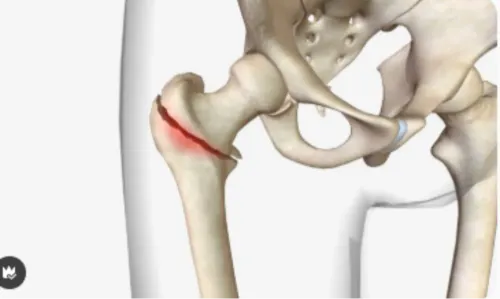
- Certain fractures
- Advanced shoulder arthritis
- Severe tendon damage
- Persistent impingement with structural abnormalities
- Failed previous shoulder treatment
Frozen shoulder, mild tendon irritation, and many partial tears are often treated initially with medication, activity modification, injections in selected cases, and physiotherapy.
Signs That Further Evaluation Is Needed
Patients should arrange an assessment when shoulder symptoms include:
- Inability to raise the arm normally
- Marked weakness after an injury
- Repeated dislocation or a slipping sensation
- Night pain that consistently affects sleep
- Loss of movement that continues to worsen
- Pain lasting despite structured rehabilitation
- Visible deformity following a fall
- Numbness or weakness extending into the arm
Sudden loss of strength after lifting, falling, or pulling may indicate a significant tendon injury. Early evaluation can be important because some acute tears become more difficult to repair if treatment is substantially delayed.
Arthroscopy, Repair or Replacement?
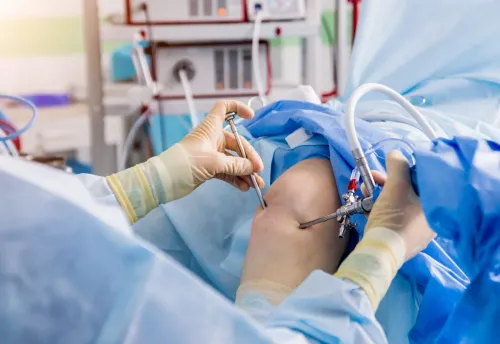
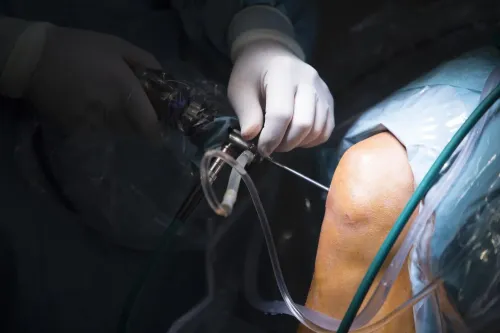
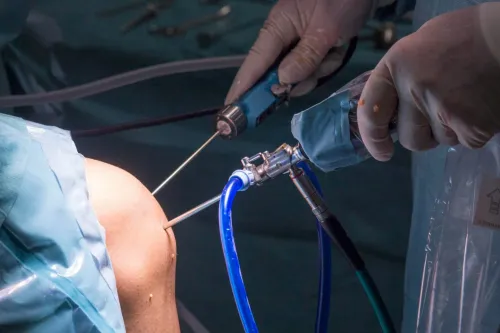
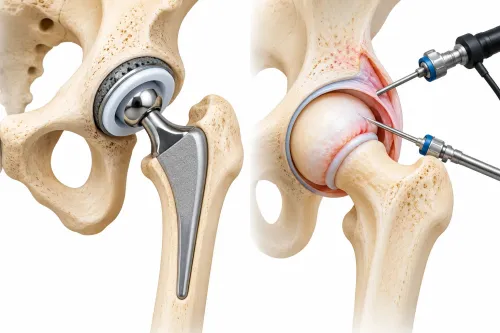
Shoulder arthroscopy uses a camera and small instruments inserted through small incisions. It may be used for selected rotator cuff repairs, labral repairs, instability procedures, and other structural problems.
Open or combined approaches may be preferable for certain complex injuries. Shoulder replacement is generally considered when arthritis or joint destruction is advanced and other treatments no longer provide adequate relief.
The appropriate procedure depends on the diagnosis, tissue quality, tear size, bone condition, age, activity requirements, and previous treatment. A small-incision technique is not automatically the best option if it does not address the complete problem.
Selecting Shoulder Surgery in Bengaluru
During an evaluation, Dr Akshay Dhanda reviews how the symptoms started, which movements cause difficulty, whether instability is present, and what treatments have already been attempted. Examination of strength and movement helps distinguish stiffness from tendon weakness.
X-rays can show fractures, arthritis, or changes in joint alignment. Ultrasound or MRI may be used to examine the rotator cuff, labrum, and other soft tissues.
Before choosing surgery, patients should confirm:
- Which structure is damaged?
- Can further non-surgical care help?
- Is the tissue repairable?
- Will a sling be required?
- When will physiotherapy begin?
- How long will driving and work be restricted?
- What movement may remain limited?
Preparing for Shoulder Recovery
Patients may need help with dressing, bathing, cooking, and travel during the early recovery period. People who drive frequently through Bengaluru or work at computers should discuss when steering, typing, and prolonged sitting can safely resume.
Rehabilitation must protect healing tissue while gradually restoring movement and strength. Progressing too quickly may strain a repair, while unnecessary immobilisation can contribute to stiffness.
If persistent shoulder pain, weakness, or instability is affecting sleep and daily function, consult Dr Akshay Dhanda for a shoulder surgery evaluation in Bengaluru. The consultation can clarify whether surgery is necessary and which treatment best matches the condition and recovery goals.
Keywords