An anterior cruciate ligament injury can make the knee feel unstable during turning, landing, running, or changing direction. The ACL is one of the main ligaments responsible for controlling forward movement and rotational stability of the knee.
Not every ACL tear requires an operation. However, persistent instability can affect sports participation, demanding work, and even ordinary movement. Repeated episodes of the knee giving way may also place the meniscus and cartilage at further risk.
Who May Need ACL Reconstruction?
Treatment depends on the patient’s activity goals, degree of instability, associated injuries, and response to rehabilitation.
Non-surgical care may be reasonable for someone who has a partial injury, limited instability, lower physical demands, or no intention of returning to pivoting sports. A structured programme can improve strength, balance, and movement control.
ACL reconstruction may be considered when:
- The knee repeatedly gives way
- The patient wants to return to pivoting or contact sports
- Work involves climbing, turning, or uneven surfaces
- A meniscal injury is also present
- The knee remains unstable after rehabilitation
- More than one ligament has been injured
The decision should be based on function, not simply the MRI wording.
What Does “Precision” Mean in ACL Surgery?
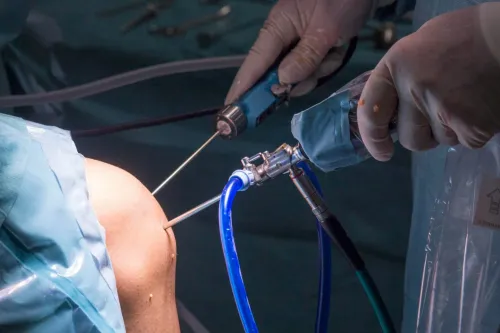
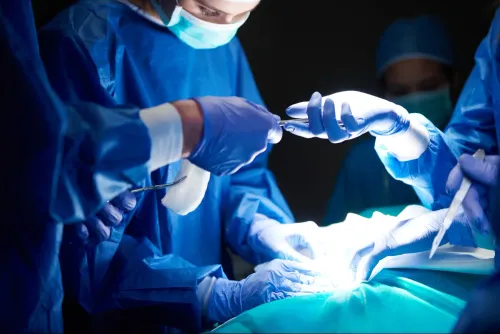
Precision in ACL surgery involves more than using advanced equipment. It includes correct diagnosis, individualised planning, accurate tunnel placement, appropriate graft selection, stable fixation, and protection of associated knee structures.
During reconstruction, the torn ACL is generally replaced with a graft. Common graft sources include the hamstring tendons, patellar tendon, or quadriceps tendon. Each option has potential advantages and trade-offs relating to strength, healing, kneeling discomfort, muscle recovery, and sport-specific demands.
There is no universally best graft for every patient. Selection should consider age, occupation, sport, previous surgery, knee anatomy, and surgeon assessment.
Timing Surgery Correctly
ACL reconstruction is not always performed immediately after injury. A very swollen and stiff knee may benefit from a period of preoperative rehabilitation. The initial goals are to reduce swelling, restore full knee extension, improve bending, and reactivate the thigh muscles.
This preparation can improve readiness for surgery and the early rehabilitation period. Associated injuries, such as a repairable meniscal tear, may influence timing.
ACL Treatment for Active Patients in Bengaluru
Bengaluru has a growing community of runners, football players, badminton enthusiasts, gym users, and recreational athletes. ACL injuries can also occur during workplace accidents or unexpected falls.
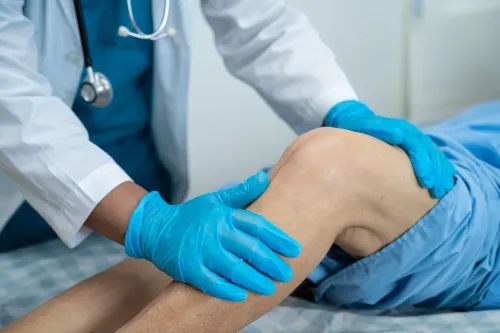
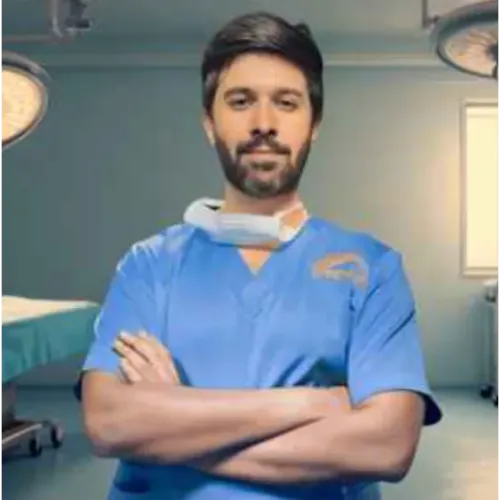
Dr Akshay Dhanda evaluates instability through clinical tests and reviews imaging for associated meniscal, cartilage, or ligament damage. Treatment planning should reflect the patient’s desired activity level rather than applying the same return-to-sport target to everyone.
What Recovery Actually Involves
Recovery progresses through stages rather than a single fixed timeline:
- Controlling pain and swelling
- Restoring full knee extension
- Regaining a normal walking pattern
- Rebuilding strength in both legs
- Improving balance and landing control
- Starting running when objective criteria are met
- Completing sport-specific drills
- Passing return-to-sport assessments
Feeling better does not necessarily mean the graft and knee are ready for unrestricted sport. Returning too early or without adequate strength can increase reinjury risk.
If knee instability is limiting sports, work, or daily movement, consult Dr Akshay Dhanda in Bengaluru for ACL assessment, treatment comparison, and a rehabilitation-focused surgical plan.
Keywords