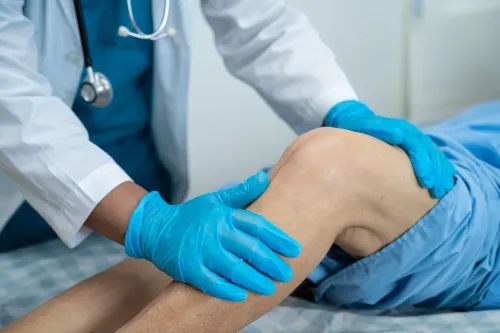
A hip fracture is a serious injury that commonly follows a fall, particularly in older adults with reduced bone strength. It can cause severe pain and make standing or walking impossible. Unlike minor soft-tissue injuries, most hip fractures require urgent hospital assessment and frequently need surgery to restore stability and enable early movement.
The fracture’s exact location, displacement, bone quality, and the patient’s general health determine the treatment plan.
Recognising a Possible Hip Fracture
A person with a hip fracture may experience:
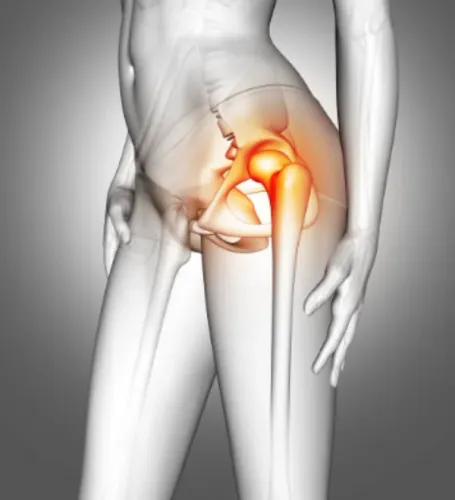
- Severe pain around the groin or upper thigh
- Inability to stand or place weight on the injured leg
- A leg that appears shortened or turned outward
- Swelling or bruising around the hip
- Sudden loss of mobility after a fall
Some fractures are less obvious. A patient may still manage limited movement but experience persistent groin pain after a minor fall. Such symptoms should not be dismissed, especially in older adults.
Why Does the Type of Fracture Matter?
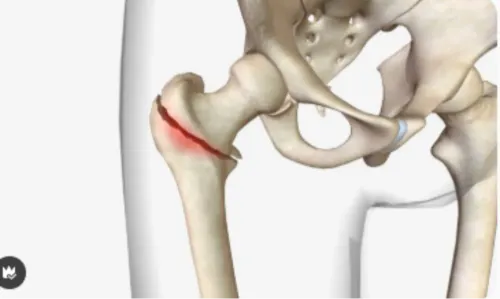
The term “hip fracture” can describe injuries in different parts of the upper femur. Fractures of the femoral neck occur close to the ball of the hip joint. Intertrochanteric and subtrochanteric fractures occur slightly lower down the thigh bone.
This location influences the choice between fixation and replacement.
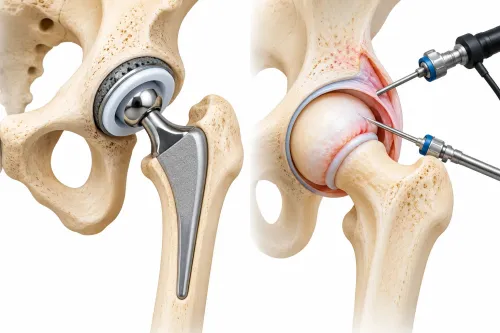
Fracture fixation stabilises the broken bone with screws, plates, or an intramedullary nail so it can heal.
Hip replacement replaces the damaged portion of the joint and may be considered for certain displaced femoral neck fractures, particularly in older adults.
The decision is not based on age alone. Previous mobility, cognitive health, medical conditions, bone quality, fracture pattern, and the condition of the joint are also considered.
Preparing for Treatment in Bengaluru
Once the patient reaches a hospital, assessment may include X-rays, blood tests, heart evaluation, medication review, and anaesthetic fitness. Existing conditions such as diabetes, hypertension, heart disease, or lung disease may need prompt stabilisation.
Families can assist by providing:
- A current list of medicines and doses
- Details of blood-thinning medication
- Previous medical and surgical records
- Information about allergies
- The patient’s usual walking ability
- Details of any earlier falls or fractures
This information helps the surgical and medical teams plan safe care without unnecessary delays.
Recovery Is More Than Bone Healing
A successful operation is only one part of hip fracture care. Early rehabilitation is important because prolonged immobility may increase the risk of muscle loss, chest complications, pressure sores, blood clots, and loss of independence.
Recovery may involve:
- Pain control and wound care
- Assisted sitting, standing, and walking
- Physiotherapy for strength and balance
- Adequate protein, calcium, and general nutrition
- Osteoporosis assessment
- Review of vision, footwear, and fall hazards
- Family support after discharge
Dr Akshay Dhanda plans fracture treatment according to the injury and the patient’s functional needs. The aim is to stabilise the hip and support a safe return to movement wherever medically possible.
Reducing the Risk of Another Fall
After recovery begins, families should review loose rugs, poor lighting, slippery bathroom surfaces, and cluttered pathways. Handrails, supportive footwear, appropriate walking aids, and medication review can also improve safety.
If an older adult develops severe hip or groin pain after a fall, avoid making them walk to “test” the injury. Arrange prompt medical evaluation.
For assessment and coordinated hip fracture care in Bengaluru, consult Dr Akshay Dhanda to understand the fracture pattern, surgical options, and rehabilitation requirements.
Keywords