Hip pain can gradually change the way a person walks, sits, sleeps, and completes everyday tasks. When joint damage becomes advanced, even simple movements such as wearing footwear, getting into a vehicle, or rising from a chair may become difficult. Hip replacement may be considered when pain and stiffness remain severe despite suitable non-surgical care.
The procedure replaces the damaged ball-and-socket surfaces of the hip with artificial components to improve movement and reduce pain.
Conditions That Can Lead to Hip Replacement
Osteoarthritis is a frequent cause of progressive hip damage, but it is not the only one. Hip replacement may also be considered for:
- Rheumatoid or inflammatory arthritis
- Avascular necrosis of the femoral head
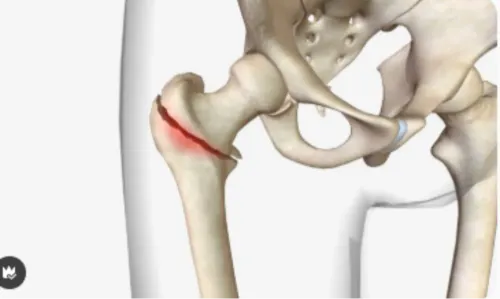
- Severe damage following a hip fracture
- Post-traumatic arthritis
- Certain childhood or developmental hip conditions
- Failure of an earlier hip-preserving procedure
- Advanced joint destruction from other causes
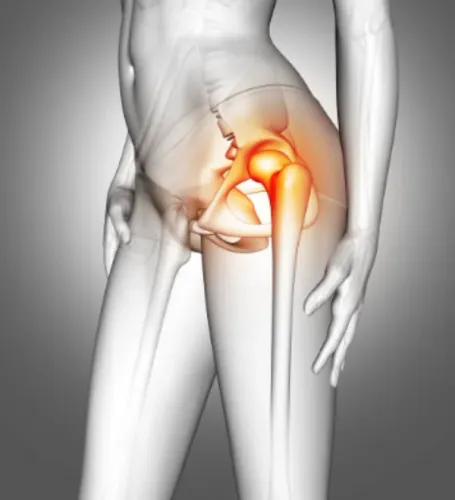
Pain is commonly felt in the groin, thigh, buttock, or sometimes the knee. A reduced range of movement may make it difficult to bend, rotate the leg, or walk normally.
Signs That the Hip Problem Is Becoming Severe
A damaged hip may require surgical assessment when:
- Pain restricts walking or standing
- Symptoms continue at rest or during the night
- Stiffness interferes with dressing or personal care
- A limp is becoming more noticeable
- Daily reliance on pain medication is increasing
- Physiotherapy and other treatments no longer provide adequate relief
- Independence and quality of life are steadily declining
The decision should not be based on age alone. Overall health, bone quality, activity needs, symptom severity, and expected benefit are more meaningful considerations.
What Does Hip Replacement Involve?
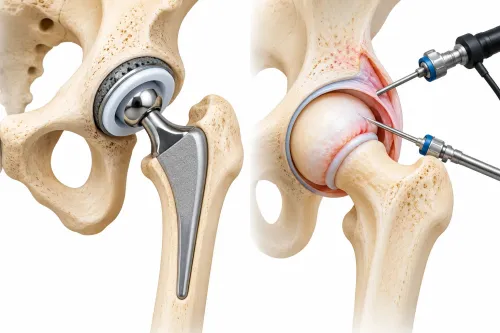
In a total hip replacement, the damaged femoral head is removed and replaced with a metal or ceramic ball attached to a stem. The worn socket is prepared and fitted with an artificial cup, usually combined with a liner that allows the new joint surfaces to move smoothly.
Implant selection and surgical approach vary according to the patient’s anatomy, bone quality, diagnosis, and the surgeon’s assessment. Terms such as minimally invasive surgery may sound appealing, but suitability and safe component positioning remain more important than incision size alone.
Planning Hip Replacement in Bengaluru
Before treatment, Dr Akshay Dhanda may review the location of pain, walking pattern, hip movement, leg length, medical conditions, and previous treatment. X-rays are commonly used to assess joint damage and assist with planning.
Preparation may include:
- Reviewing medicines, especially blood-thinning medication
- Managing diabetes, blood pressure, or anaemia
- Treating active dental, urinary, or skin infections
- Practising walking-aid use when advised
- Organising a firm chair and accessible sleeping area
- Removing loose floor mats and electrical cords
- Arranging support for meals and household activities
These precautions are particularly useful for people returning to compact apartments or homes with stairs.
Recovery After Hip Replacement
Patients are commonly encouraged to begin guided movement after surgery, depending on their medical condition and surgical plan. Walking aids may be used temporarily while balance, strength, and confidence improve.
Physiotherapy focuses on safe mobility, muscle activation, and gradual return to daily activities. Patients may need temporary precautions for sitting, bending, sleeping, and getting into vehicles. Driving and work should resume only after individual clearance.
Hip replacement is intended to reduce pain and improve useful mobility rather than create an unrestricted artificial joint. Recovery varies between patients, and full muscle reconditioning takes time. Careful preparation, safe movement, rehabilitation, and regular follow-up all contribute to a more dependable functional outcome.
Keywords