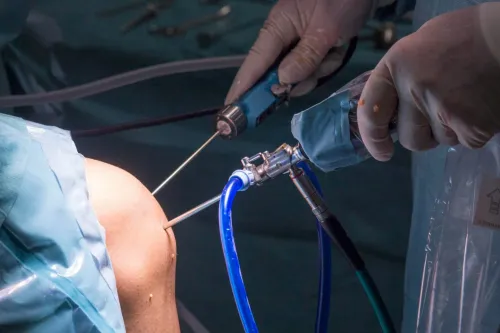
Knee osteotomy is a joint-preserving operation used to correct abnormal leg alignment and redistribute pressure across the knee. It may be considered when arthritis or cartilage damage mainly affects one side of the joint while the remaining compartments are comparatively healthy.
Instead of replacing the knee, the procedure changes the alignment of the leg so that body weight passes through a healthier area. This can reduce stress on the damaged compartment and improve function in appropriately selected patients.
Who May Be Considered for Knee Osteotomy?
The procedure is often evaluated for active adults who have localised knee damage associated with bow-legged or knock-kneed alignment. A suitable candidate may have:
- Pain mainly on one side of the knee
- Preserved cartilage in the opposite compartment
- Correctable limb alignment
- Good or manageable knee movement
- Stable or treatable ligaments
- A desire to maintain an active lifestyle
- Symptoms that have not improved sufficiently with non-surgical care
Widespread arthritis, severe stiffness, inflammatory joint disease, or major damage across several compartments may make knee replacement a more appropriate option.
Why Alignment Matters
A bow-legged knee tends to transfer greater load through the inner compartment. A knock-kneed alignment can place excessive pressure on the outer compartment. Over time, this uneven loading may accelerate cartilage wear and contribute to pain.
During an osteotomy, the surgeon makes a controlled cut in the tibia or femur and adjusts the bone into a planned position. Plates and screws are then used to maintain the correction while the bone heals.
The amount and location of correction must be planned carefully. Too little correction may not unload the damaged area sufficiently, while unsuitable correction can alter knee mechanics in an unhelpful way.
Osteotomy Versus Knee Replacement
Knee osteotomy preserves the natural joint and may allow a higher level of activity than replacement in selected patients. However, recovery includes bone healing and can take longer than patients initially expect.
Knee replacement removes damaged joint surfaces and replaces them with artificial components. It is generally more suitable for advanced, widespread arthritis accompanied by persistent pain and functional restriction.
The comparison should consider:
- Extent of cartilage damage
- Patient age and activity goals
- Location of pain
- Range of knee movement
- Limb alignment
- Ligament stability
- Expected rehabilitation
- Likelihood of needing future surgery
Osteotomy may delay replacement, but it cannot guarantee that replacement will never be needed.
Planning Knee Osteotomy in Bengaluru
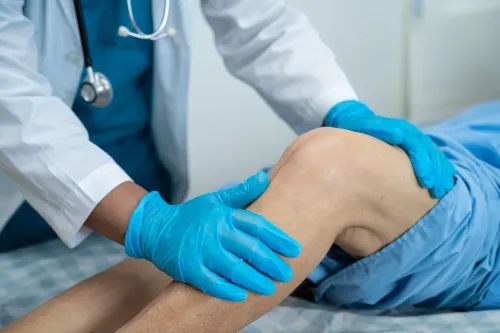
Dr Akshay Dhanda evaluates standing alignment, walking pattern, ligament function, cartilage condition, and the exact location of pain. Full-length standing X-rays can help show how weight travels through the leg and assist with correction planning.
Patients should also discuss work requirements and commuting. Bengaluru residents with jobs involving prolonged standing, stairs, fieldwork, or two-wheeler travel may require a phased return.
Readiness for Surgery and Recovery
Before proceeding, patients should understand temporary weight-bearing restrictions, physiotherapy requirements, expected bone-healing time, and the plan for returning to work or sport.
Smoking, uncontrolled diabetes, inadequate nutrition, and poor adherence to rehabilitation can interfere with bone healing. Addressing these factors forms part of surgical readiness.
If one-sided knee arthritis and abnormal alignment are limiting movement, consult Dr Akshay Dhanda for a knee osteotomy assessment in Bengaluru. A detailed evaluation can clarify whether realignment may preserve the natural knee or whether another treatment would provide a more dependable result.
Keywords