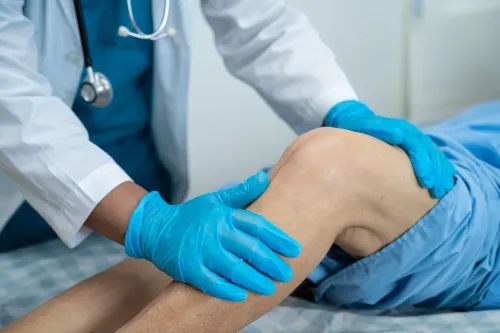
Knee replacement is generally considered when advanced joint damage causes persistent pain, stiffness, and reduced mobility. It is not merely a response to age or an abnormal X-ray. The decision is based on how severely the knee affects daily life and whether appropriate non-surgical treatments have stopped providing sufficient relief.
The procedure replaces damaged joint surfaces with artificial components designed to restore smoother movement and improve functional stability.
Why Does a Knee Become Severely Damaged?
Osteoarthritis is one of the most common reasons for knee replacement. It gradually wears down the protective cartilage covering the ends of the bones. Rheumatoid arthritis, previous fractures, longstanding deformity, infection-related damage, and certain injuries can also contribute to joint deterioration.
Common symptoms include:
- Pain while walking or climbing stairs
- Stiffness after sitting or resting
- Swelling around the knee
- Difficulty straightening or bending the leg
- Bow-legged or knock-kneed alignment
- Night pain that disturbs sleep
- Reduced walking distance
These symptoms should be assessed together. X-ray severity alone does not determine whether replacement is necessary.
When Is Knee Replacement Usually Considered?
An orthopaedic surgeon may discuss replacement when pain remains substantial despite medication, physiotherapy, exercise modification, weight management, walking support, or selected injections.
The procedure becomes more relevant when the patient struggles with ordinary activities such as getting out of a chair, using stairs, shopping, working, or walking short distances. Persistent pain at rest and progressive deformity may also influence the decision.
What Happens During the Procedure?
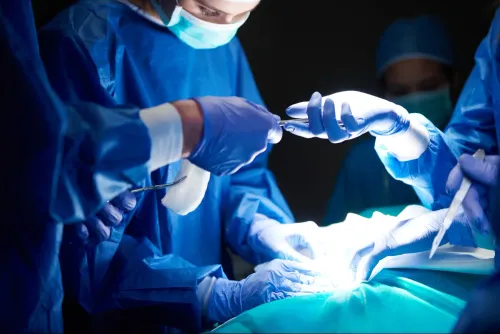
During knee replacement, damaged cartilage and a small amount of underlying bone are removed from the joint surfaces. Metal components are positioned over the prepared ends of the bones, while a medical-grade plastic spacer allows smoother movement between them.
Depending on the pattern of damage, a patient may require total knee replacement or a partial replacement involving only one compartment. The choice depends on ligament stability, alignment, bone quality, and the extent of arthritis.
Preparing for Knee Replacement in Bengaluru
Preparation can make rehabilitation safer and more manageable. Dr Akshay Dhanda may evaluate joint movement, leg alignment, muscle strength, medical history, current medicines, and imaging before planning treatment.
Patients may also need to:
- Bring diabetes, blood pressure, or other medical conditions under control.
- Inform the surgical team about medicines and supplements.
- Strengthen the thigh and hip muscles as advised.
- Arrange assistance at home for the early recovery period.
- Remove loose rugs and other tripping hazards.
- Plan transport for hospital visits and physiotherapy.
For Bengaluru residents living in multi-storey homes, access to lifts or stairs should be discussed before discharge.
What Is Recovery Like?
Walking commonly begins with assistance after surgery, according to the surgeon’s instructions and the patient’s condition. Early exercises focus on circulation, knee movement, muscle activation, and safe mobility.
Recovery is gradual. Swelling, stiffness, and tiredness can continue for some time, while strength and confidence improve through regular rehabilitation. The return to work depends on the nature of the job, recovery progress, and travel requirements.
Knee replacement can substantially reduce arthritis-related pain and improve routine movement, but it does not recreate a natural knee. High-impact activities may be restricted to protect the implant. Realistic expectations, consistent physiotherapy, and attention to follow-up care are central to achieving a useful long-term result.
Keywords