A child’s limp, pain, unusual gait, or injury does not automatically mean surgery is needed, but some signs require prompt assessment because bones, joints, and growth plates are still developing. You will learn which symptoms need urgent care, how specialists investigate them, when observation is safer than an operation, and how to compare child-focused orthopaedic care in Bangalore.
Key takeaways
- Seek urgent care after a significant injury, fever with a limp, or a visibly deformed limb.
- Use growth-appropriate examination and imaging; avoid repeated scans without a clear clinical question.
- Observation can be safer than surgery when alignment is improving and function remains normal.
- Ask about anaesthesia, growth plates, weight-bearing, physiotherapy, and follow-up before scheduling surgery.
When should your child see a bone specialist or receive urgent care?
Persistent pain, limping, unequal leg length, bow legs, knock knees, an abnormal gait, swelling, reduced joint movement, repeated falls, or a suspected fracture deserves assessment rather than reassurance. A limp is a symptom, not a diagnosis; causes include injury, infection, inflammatory disease, hip conditions, tumours, and referred pain.
1. Book a routine appointment with a paediatrician, physiotherapist, general orthopaedic surgeon, or child bone specialist in Bangalore when symptoms are mild but persistent, recurrent, painless yet progressive, or affecting walking, school, or sport. Bring prior X-rays, injury timing, medicines and allergies, growth and developmental history, and videos of an intermittent limp.
2. Seek prompt medical attention for a deformed limb after injury, inability to bear weight, a cold or pale hand or foot, severe pain with swelling, or fever with a hot, swollen joint. Sudden hip or knee pain with refusal to walk also needs urgent assessment.
3. Treat back pain with weakness, numbness, or bladder or bowel changes as an emergency. Do not wait for a routine orthopaedic surgery in Bangalore appointment.
An adolescent with hip, groin, thigh, or knee pain and a limp must not walk while awaiting assessment. Suspected slipped capital femoral epiphysis can worsen with weight-bearing and damage the femoral head. Use emergency transport or follow local emergency advice.
Developmental hip problems also warrant review when leg-length asymmetry, limited hip abduction, or an abnormal gait appears.
How is a growing child assessed and imaged?
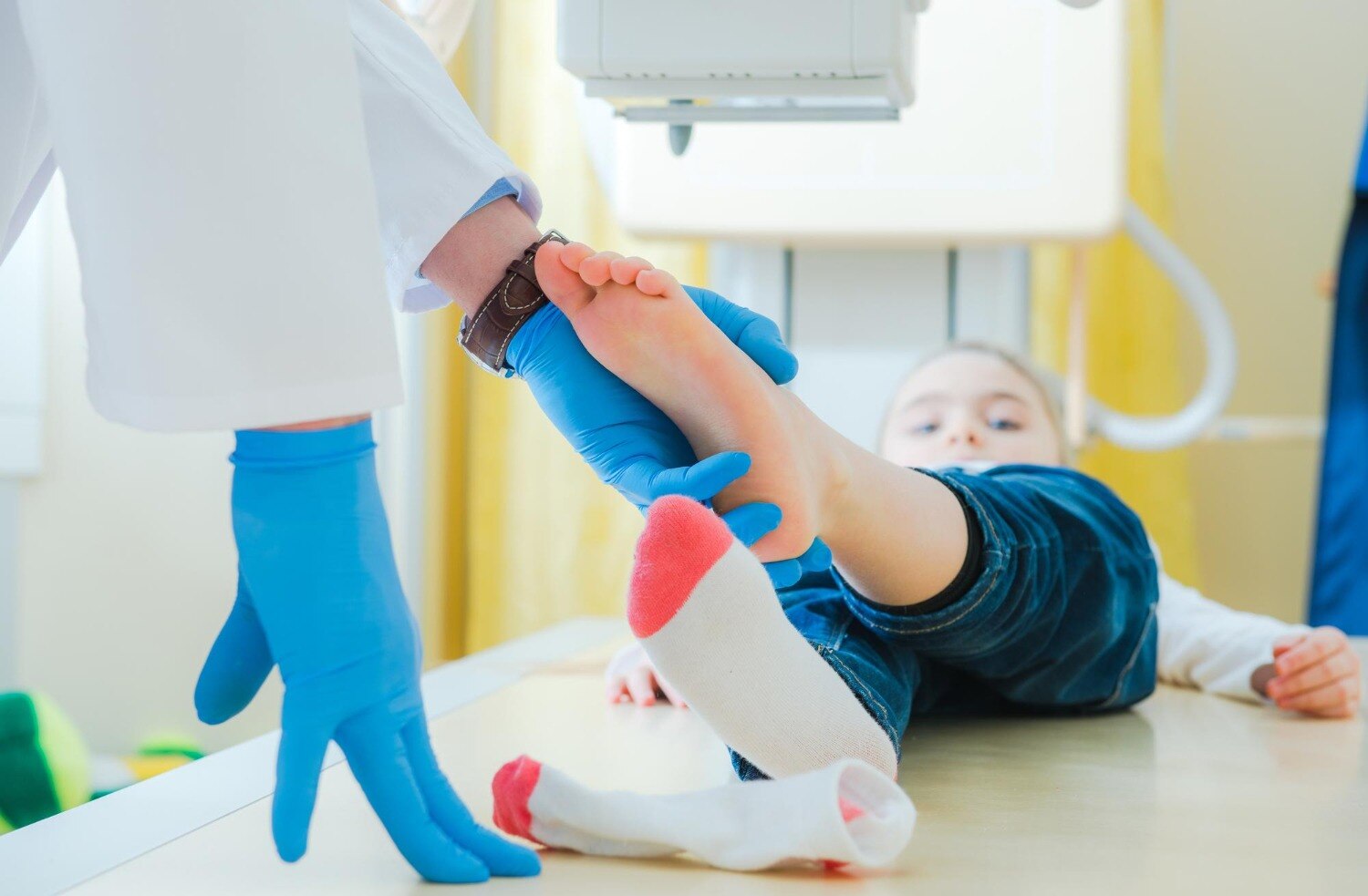
A child’s assessment starts with medical and birth history, developmental milestones, previous treatment, and family history. Ask when pain, swelling, limping, repeated falls, or activity limits began, and what worsens them. The clinician watches gait, checks limb alignment and length, examines each joint and the spine, and tests strength, sensation, pulses, skin colour, and temperature.
Open growth plates matter because an injury can change future length or alignment even when the first film looks acceptable.
The assessment may investigate:
- Developmental dysplasia of the hip
- Clubfoot
- Perthes disease
- Scoliosis
- Cerebral-palsy-related deformity
- Bone infection
- Benign bone lesions
- Sports injuries
Imaging is chosen for the clinical question, not because the newest scan is automatically best.
- Ultrasound suits infant hips and structures not yet clearly visible on X-ray.
- X-ray shows fractures, alignment, growth plates, and standing limb measurements.
- MRI shows cartilage, marrow, ligaments, infection, and occult injury without ionising radiation.
- CT answers selected complex bone or joint questions but uses ionising radiation.
Physiologic bow legs, knock knees, intoeing, and painless flexible flat feet usually need observation, not corrective surgery. Concern rises with progression, asymmetry, pain, stiffness, rigidity, or functional limitation. During a pediatric orthopaedics Bangalore or pediatric orthopedic surgery Bangalore consultation, ask how growth will be monitored through examination and repeat imaging.
When is observation safer than surgery?
Observation is safer than surgery when pain and function are acceptable, alignment is stable, and the child can be monitored as they grow. Decisions in pediatric orthopaedics bangalore care depend on age, remaining growth, skeletal maturity, activity level, pain, function, deformity angle, imaging findings, stability, and family goals—not an X-ray alone.
| Option | What it involves | When it fits |
|---|---|---|
| Observation and scheduled review | Examination and repeat imaging at planned intervals | Mild deformity, stable injury, painless flexible flat feet, or improving symptoms |
| Activity modification and physiotherapy | Reducing painful activity while restoring movement, strength, and mechanics | Minor sports injuries, weakness, or functional symptoms without structural instability |
| Casting or bracing | Holding a fracture or limb in a corrected position | Selected fractures, early deformity, or conditions responsive to guided positioning |
| Shoe modification | A lift or insert to address symptoms from limb-length difference | Small measured differences while growth and predicted maturity difference are assessed |
| Surgery | Fixation, correction, growth modulation, lengthening, or shortening | When non-operative care cannot provide safe alignment or useful function |
Children’s fractures can remodel, especially in younger children with substantial growth remaining and deformity near a joint. Rotation and deformity in an unfavourable plane remodel poorly. Salter–Harris growth-plate injuries need follow-up even when the first X-ray looks acceptable, because growth arrest can appear later.
Surgery becomes more likely with an unstable or displaced fracture, joint-surface involvement, neurovascular compromise, progressive deformity, persistent functional limitation, or failed non-operative care. For limb-length discrepancy, the measured difference matters less than the predicted difference at skeletal maturity and remaining growth.
Joint replacement is not a routine solution for children; pediatric orthopaedics bangalore planning prioritises growth-preserving options.
What do paediatric operations and recovery involve?
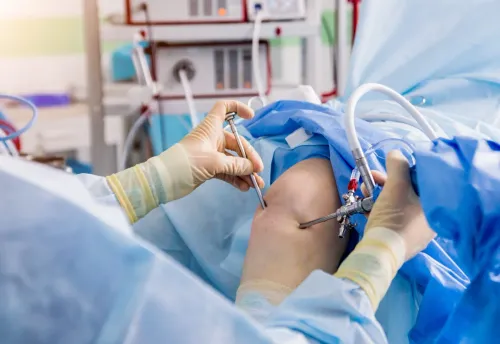
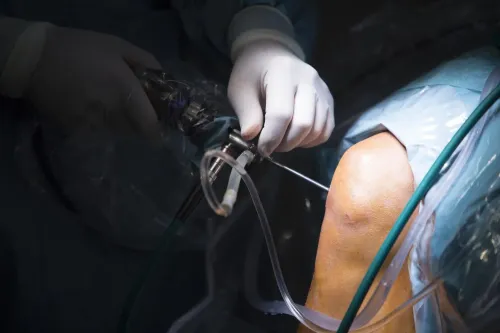
An operation begins with an anaesthesia assessment, including allergies, medicines, previous anaesthetic problems, fasting instructions, and the child’s general health. The surgeon plans fixation for a fracture or correction of deformity while protecting open growth plates; implants may include pins, screws, plates, or rods, followed by a cast or brace.
Hospital stay ranges from same-day discharge to several nights, depending on the procedure and mobility.
| Recovery stage | Main goals | Typical focus |
|---|---|---|
| Protection | Control swelling and protect repair | Elevation, wound care, cast or brace checks, prescribed pain relief |
| Movement | Restore joint range | Gradual exercises within weight-bearing limits |
| Function | Build strength, balance, and movement mechanics | Physiotherapy and controlled daily activity |
| Return | Resume school, play, and sport safely | Progressive loading and sport-specific testing |
Follow weight-bearing instructions precisely; early loading can shift fixation or worsen alignment. School, playground activity, cycling, running, and contact sport remain restricted until cleared.
Risks include growth-plate injury, growth arrest, limb-length difference, recurrent deformity, infection, stiffness, nerve or blood-vessel injury, anaesthesia complications, and hardware failure or irritation. Another operation may become necessary if growth changes the result.
Follow-up includes wound review, imaging, cast or brace checks, range-of-motion assessment, and growth monitoring with examination or repeat radiographs. Return-to-school planning comes before return-to-sport testing. Being pain-free does not prove that strength and coordination are ready for sport, whether you are comparing pediatric orthopedic surgery Bangalore options or orthopedic surgery in Bangalore generally.
How should you choose and prepare for paediatric orthopaedic care in Bangalore?
Compare pediatric orthopedic surgery bangalore providers by asking about children’s case volume, not by relying on labels or testimonials.
Confirm who examines your child, who performs an operation, experience with open-growth-plate injuries, access to paediatric anaesthesia and child-appropriate imaging, emergency coverage, rehabilitation planning, expected follow-up duration, and how growth will be checked through examinations and repeat radiographs.
| Role | Main responsibility | When to involve them |
|---|---|---|
| Paediatrician | Overall assessment and referral | Developmental concerns, general illness, or unclear symptoms |
| General orthopaedic surgeon | Bone and joint care across age groups | Common injuries within their paediatric experience |
| Paediatric orthopaedic surgeon | Growing bones, deformity, and growth-plate problems | Complex, persistent, or growth-related conditions |
| Physiotherapist | Movement, strength, balance, and rehabilitation | Before or after treatment when prescribed |
| Emergency department | Immediate stabilisation and urgent imaging | Deformity, inability to bear weight, severe swelling, fever, or sudden deterioration |
Bring these items to the consultation:
- Previous X-rays and MRI or ultrasound reports
- Birth, developmental, medication, and allergy history
- Family history of hip or spine conditions
- Injury timing, pain, swelling, and school or sports impact
- Videos of an intermittent limp or unusual movement
Plan for repeat appointments during growth, cast or brace care, transport, school absence, physiotherapy attendance, sports restrictions, and exact adherence to weight-bearing instructions. Ask who will monitor for growth arrest, recurrent deformity, leg-length difference, or hardware problems.
A consultation with Dr Akshay Dhanda can be considered alongside these questions when evaluating orthopedic surgery in bangalore for a child’s specific problem.
Related service
Pediatric Orthopaedics Dr. Akshay Danda **Pediatric Orthopaedics** focuses on the diagnosis, treatment, and ongoing care of musculoskeletal conditions affecting infants,... View service → |
Frequently asked questions
When should your child see a bone specialist or receive urgent care?
Arrange specialist assessment for persistent pain, limping, unequal leg length, abnormal gait, swelling, reduced movement, repeated falls, or suspected fracture. Seek urgent care after major trauma, with a visibly deformed limb, severe pain, inability to bear weight, or fever alongside a limp.
How is a growing child assessed and imaged?
Assessment includes the child’s history, walking pattern, limb alignment, joint movement, strength, leg-length comparison, and examination of the spine and hips. The clinician chooses imaging based on the suspected problem; options include weight-bearing X-rays, ultrasound for selected hip problems, and MRI for soft tissues, infection, or concerning bone findings.
When is observation safer than surgery?
Observation is appropriate when symptoms are mild, function is preserved, alignment is improving with growth, or treatment would risk growth plates without a clear benefit. Follow-up visits and repeat measurements are essential because a child’s bones change as they grow.
What do paediatric operations and recovery involve?
The plan depends on the condition and may include fracture treatment, correction of alignment, ligament or cartilage repair, or treatment of a growth-plate problem. Ask about anaesthesia, hospital stay, pain control, cast or brace care, weight-bearing limits, physiotherapy, school absence, and follow-up X-rays.
How should you choose and prepare for paediatric orthopaedic care in Bangalore?
Choose a child bone specialist with experience in the relevant condition and access to paediatric anaesthesia, imaging, physiotherapy, and emergency support. Bring previous reports, imaging discs, medication details, allergy information, vaccination records, and a timeline of symptoms to the appointment.
Keywords